





Why Black-Box Data Tools Fail Modern Data Teams?
The data teams of today are at the forefront of business decision-making. Whether it is analytics and reporting, automation, or machine learning, data systems are at the heart of business decisions regarding pricing, customer experience, risk, and strategy. However, many systems are hidden behind opaque interfaces.
Black box data tools offer the promise of simplicity through abstraction. However, they often strip away the visibility that data teams need in order to function in a responsible manner. When data teams lack visibility into the data at each point in the data’s journey, trust is lost, accountability is undermined, and failure becomes harder to diagnose.
The greatest enemy of knowledge is not ignorance, it is the illusion of knowledge.
Stephen Hawking
Black-box systems are often embraced with the intention of minimizing engineering effort. The systems seem easy to implement and are expected to automate the process without much involvement. However, when pipelines fail, metrics do not match, or the behavior of the downstream systems is unexpected, these tools are of little use in understanding why the failure has occurred.
Few logs, hidden transformations, and opaque assumptions force teams to resort to guesswork instead of diagnosis. What was meant to simplify data operations ends up moving complexity into an opaque layer that engineers can’t see or question.
Why Transparency Is the Foundation of Trust
Data teams not only have the responsibility of moving the data but also of ensuring that the data is accurate, reliable, and semantically sound. This is where the importance of transparency comes into play. Without visibility into the ingestion logic, transformation rules, validation, and failure paths, data teams have no choice but to trust blindly.
With growing data, silent failures are becoming ever more dangerous. A schema change, partial load, or unexpected transformation can cascade through dashboards and models without being noticed right away. Without lineage and visibility, small problems can quickly snowball into system-wide issues.

Automation Without Accountability Creates Risk
Automation is necessary at scale; however, automation without transparency creates accountability issues. When automated processes impact customer results, financial statements, or regulatory requirements, it is necessary to understand how these results were derived.
There is a growing need for explainability and traceability. A black-box system makes it difficult to respond to basic questions about data origin, transformation used, and logic behind changes in results.
The Operational Cost of Opaque Data Systems
Aside from the governance implications, black-box tools also carry high operational costs. In the event of data pipeline failures or degradation, problem-solving becomes more time-consuming. Developers spend more time recreating a problem, building a workaround, or independently verifying results rather than focusing on the root cause.
Opaque systems also contribute to organizational silos. Data engineers, analysts, and business users can have different interpretations of the same data, which can lead to a loss of confidence and duplication of efforts in pipelines and checks.
Why Modern Data Teams Demand Visibility
The data teams of today are increasingly demanding solutions that provide visibility into the inner workings of their systems. Transparency is not about drowning users in complexity but about giving them clarity at every step of the data life cycle.
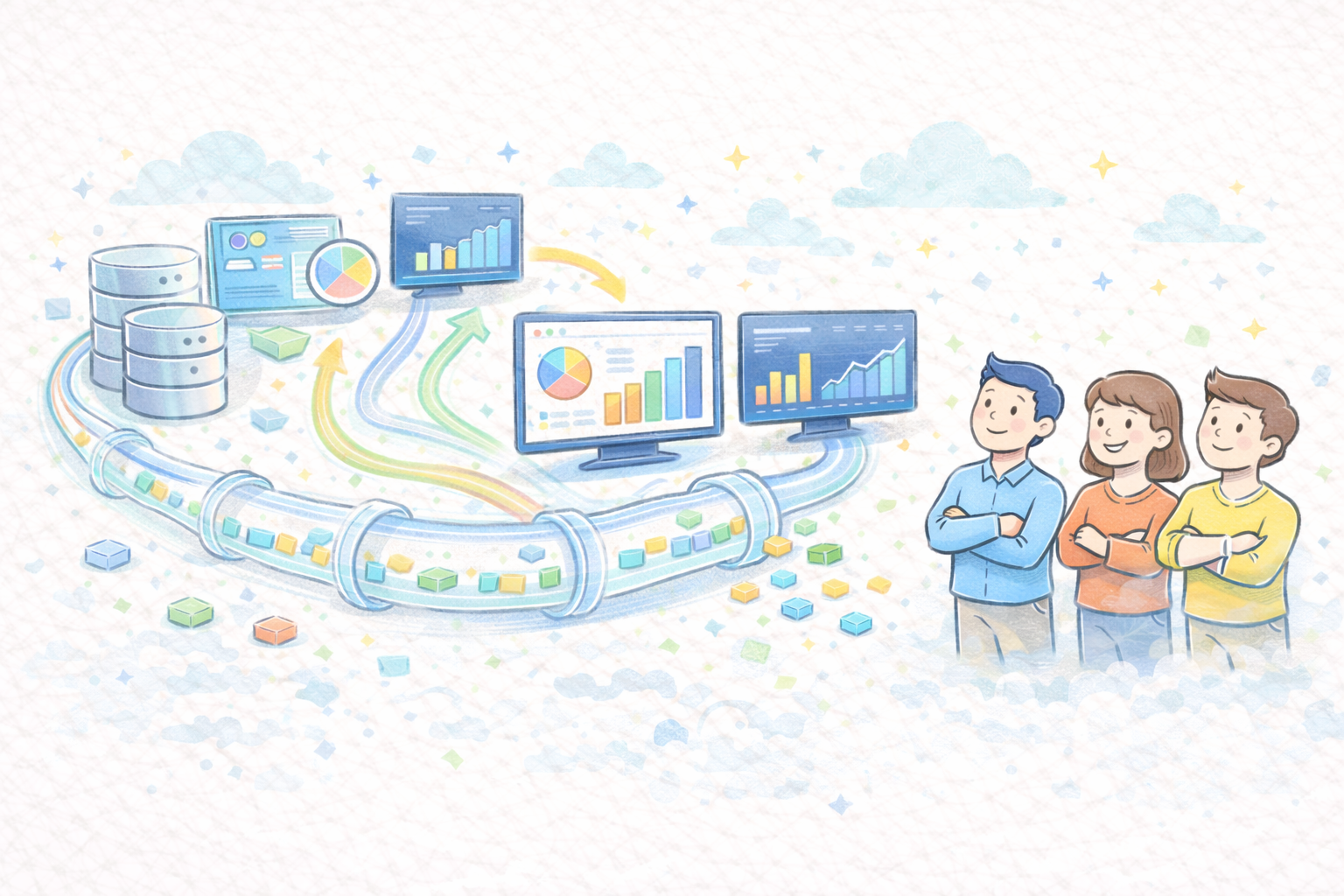
When teams are able to see data as it moves through the process of ingestion, transformation, validation, and delivery, they are able to identify problems sooner, pinpoint where things are going wrong faster, and ensure that data quality remains consistent even as systems are scaled.
Conclusion: Transparency Is Not Optional
Black box data tools are not failing because automation is a problem, but because lack of visibility is a problem in a world where data is driving decision-making.
Transparency enables trust, accountability, and scalability. With the increasing complexity of data ecosystems, data flow and change visibility is no longer a feature but a necessity for data teams in the modern era.
After reading this, do you know which parts of your data pipelines operate without visibility, and what risks that creates for trust and accountability?