




Common Data Pipeline Challenges and How to Fix Them
Data pipelines are the backbone of modern analytics, reporting, and automation. When they are working well, teams can get insights in time and trust their data. But when they go wrong, small problems can lead to broken dashboards, bad decisions, high cloud bills, and a loss of trust in the organization.
Despite the advancements in cloud platforms and data tooling, teams are still facing the same set of pipeline problems. These problems are less likely to be caused by a single bug or a particular tooling decision. Instead, they are caused by the nature of scale, complexity, and lack of visibility.
The best way to fix a problem is to prevent it from happening in the first place.
Stephen Covey
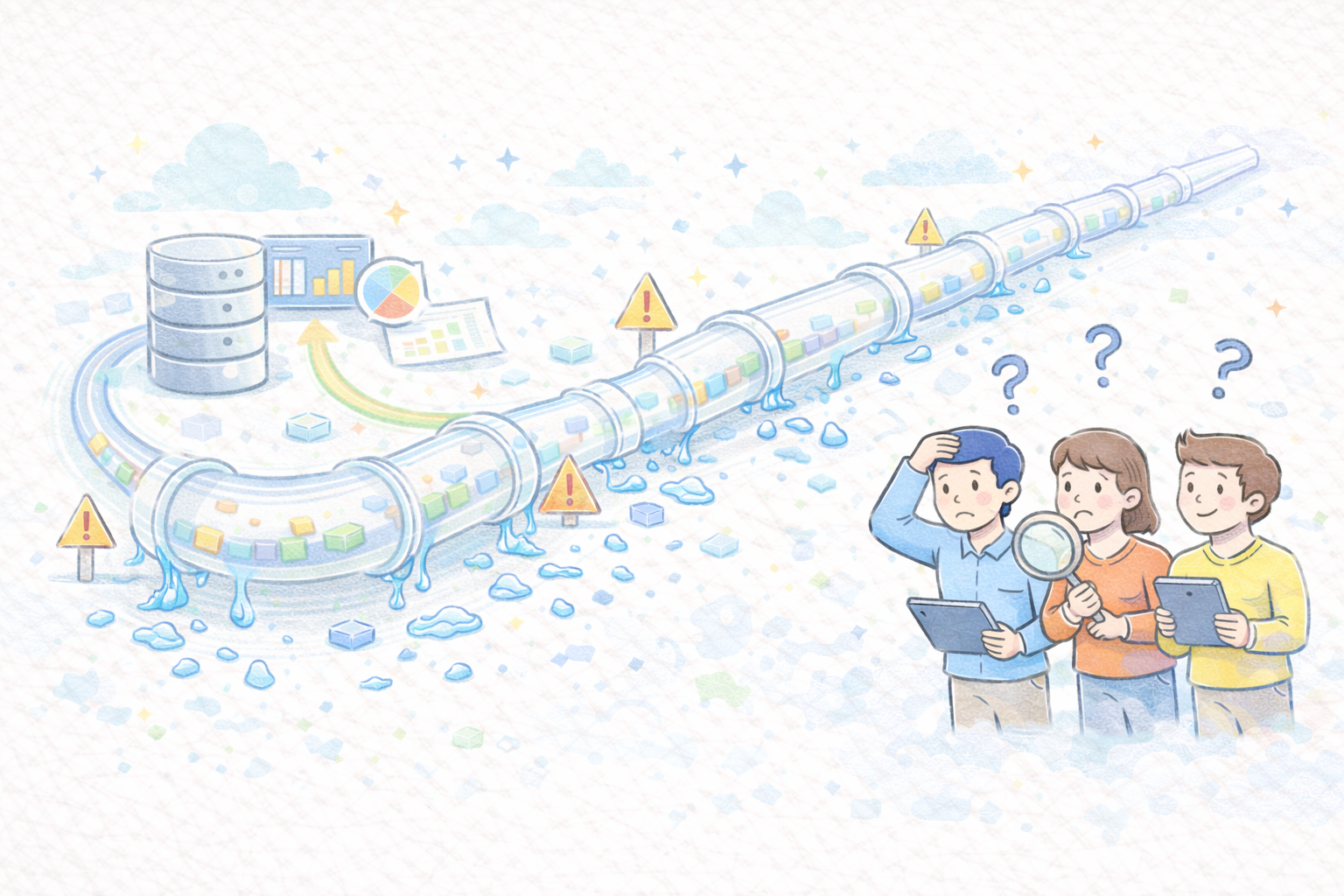
One of the most common issues in data engineering is the concept of treating pipelines as black boxes. Data flows in at one end, processing happens in a black box, and results come out at the other end with little insight in between. When dealing with larger amounts of data, it becomes difficult to spot silent failures and resolve them.
Schema changes, partial loads, or unexpected transformations can ripple through analytics systems undetected until inconsistencies become apparent. By the time these problems are represented in dashboards and reports, teams must engage in painstaking analysis across multiple systems.
Where Data Pipelines Commonly Break
Most pipeline failures are caused by simple problems and not complex bottlenecks in the infrastructure. Use of incorrect data types, lack of consistency in formats, and poor data cleaning logic are some of the most common causes of failures in production systems.
Some common causes of pipeline unreliability include schema changes in upstream systems, non-idempotent logic that causes duplication on re-runs, source data inconsistencies, and transient network or service failures that pipelines are not intended to handle.

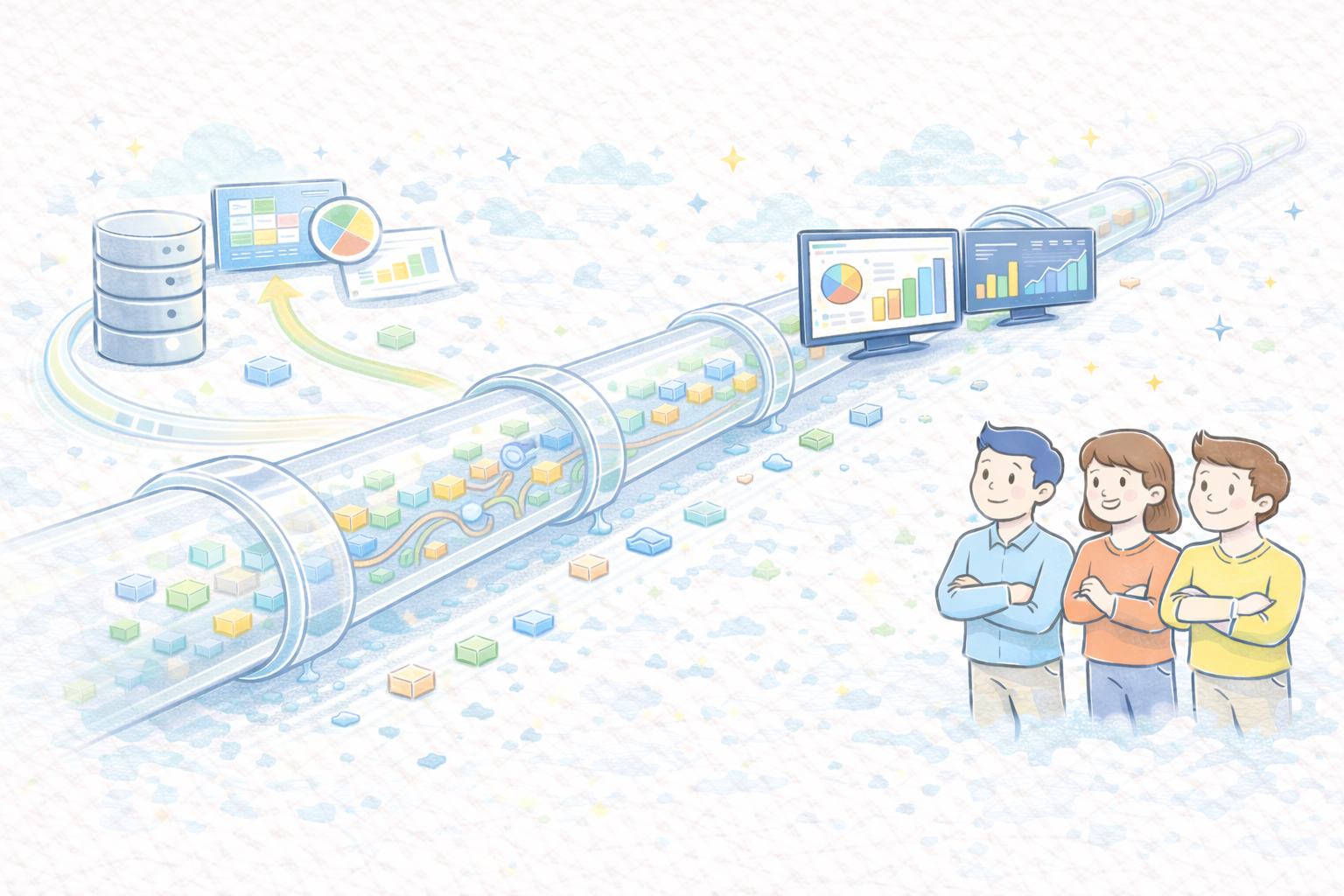
To overcome these issues, it is necessary to enforce data validation and quality checks at the earliest possible point. If erroneous data are caught at the point of interception during ingestion, the systems that follow will be more reliable, easier to debug, and less expensive to maintain.
Why Scaling Pipelines Often Increases Costs
As the amount of data grows, pipelines that rely on full reloads or inefficient transformations become costly. The mistake is to fix these problems by scaling up compute power instead of optimizing the logic of the pipeline.
Often, the most important optimizations can be achieved by making small changes, like adopting incremental processing or simply eliminating redundant transformations. Pipelines designed to process only what has changed can scale without unnecessary reprocessing.
Why Transparency Improves Reliability
Pipelines become brittle when transformation logic is opaque or not well-documented. This makes teams less enthusiastic about applying changes, since they can’t easily see how data is being transformed or where the dependencies are
By making pipeline behavior transparent through lineage, metrics, and stage-level monitoring, teams can identify problems earlier and make changes to their systems in a safe manner. This transparency turns pipelines from black boxes into valuable assets that teams can trust and improve.
From Fragile Pipelines to Reliable Systems
Fixing data pipelines is more than just a technical exercise; it is a paradigm shift. When teams view data pipelines as observable systems and not as black boxes, it helps to decrease errors, lower costs, and improve collaboration between engineering and analytics teams.
Through enforcing quality from the start, designing for incremental processing, and maintaining visibility into data flows and changes, organizations can create scalable pipelines that succeed rather than fail when put under pressure.
After reading this, can you identify which pipeline issues in your organization are caused by design choices rather than scale or tooling?