




Incremental Data Processing:
How to Preserve Pipeline Credits?
In today’s organizations, data pipelines are often among the most expensive systems to run, but they are also among the least understood. Business teams make data requests without insight into the effort involved, while the engineering teams spend a lot of time working with brittle logic, debugging old workflows, and explaining the increasing costs of cloud spend that seem unrelated to business value.
The hard truth is that data work is expensive, but inefficiency is a problem that can be sidestepped. Many data teams believe that cost savings mean a full replatform or switching to a new vendor. The truth is that the greatest possible cost savings will come from smaller, more focused changes to how pipelines are built, monitored, and maintained. This is not usually exciting work, but it adds up.
If you can’t measure it, you can’t improve it.
Peter Drucker
Why Pipeline Costs Are Frequently a Visibility Issue
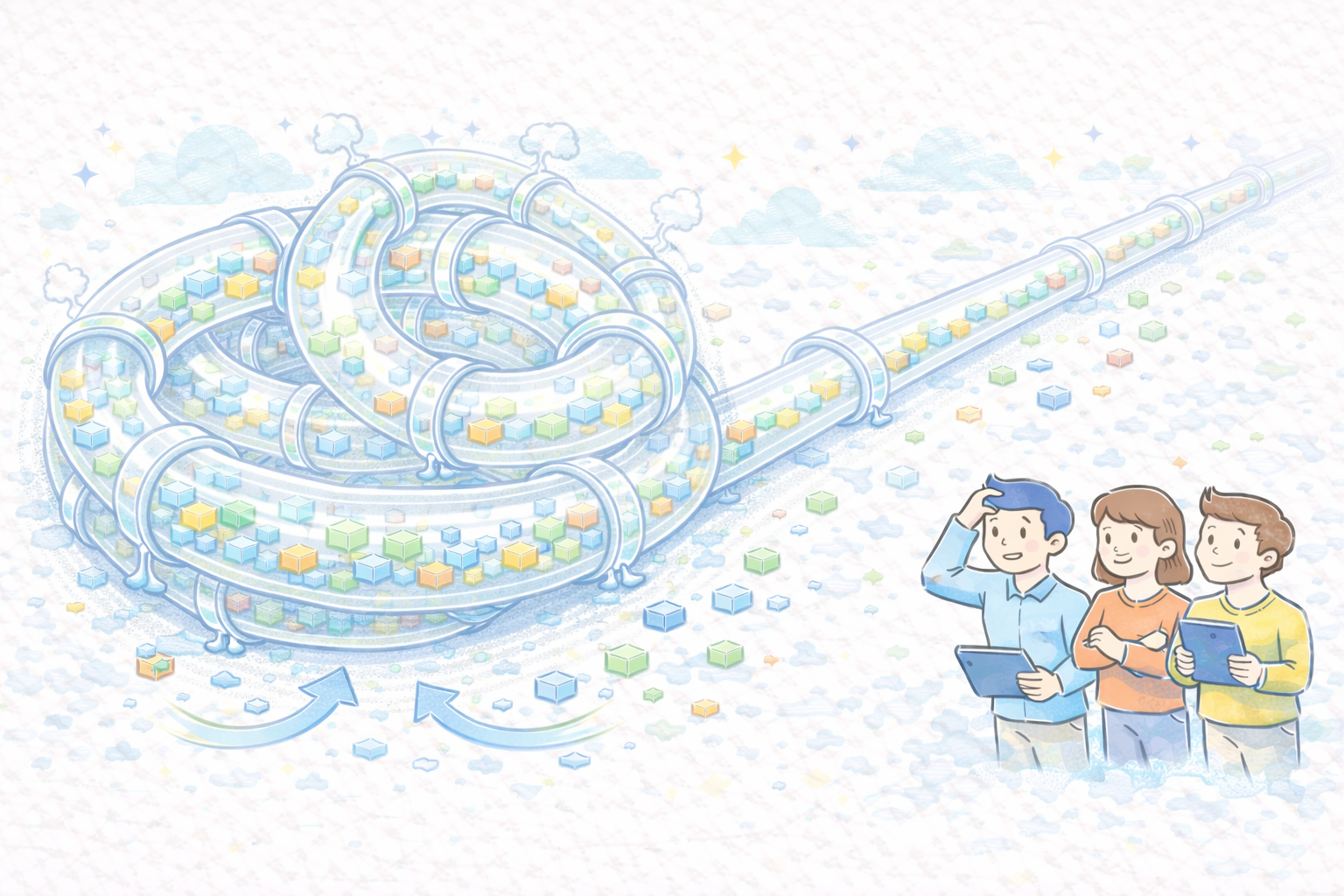
Cost overruns in data engineering do not happen suddenly. They creep up unnoticed as pipelines grow in complexity and opacity. When the logic is buried in complex DAGs or unwritten transformations, it becomes impossible to reason about what is actually driving the cost.
As long as the costs appear only in the form of a monthly cloud bill, they are abstract and hard to work with. There is no way for the teams to understand which models are costly, which transformations are redundant, or which pipelines are secretly reprocessing the same data every day.
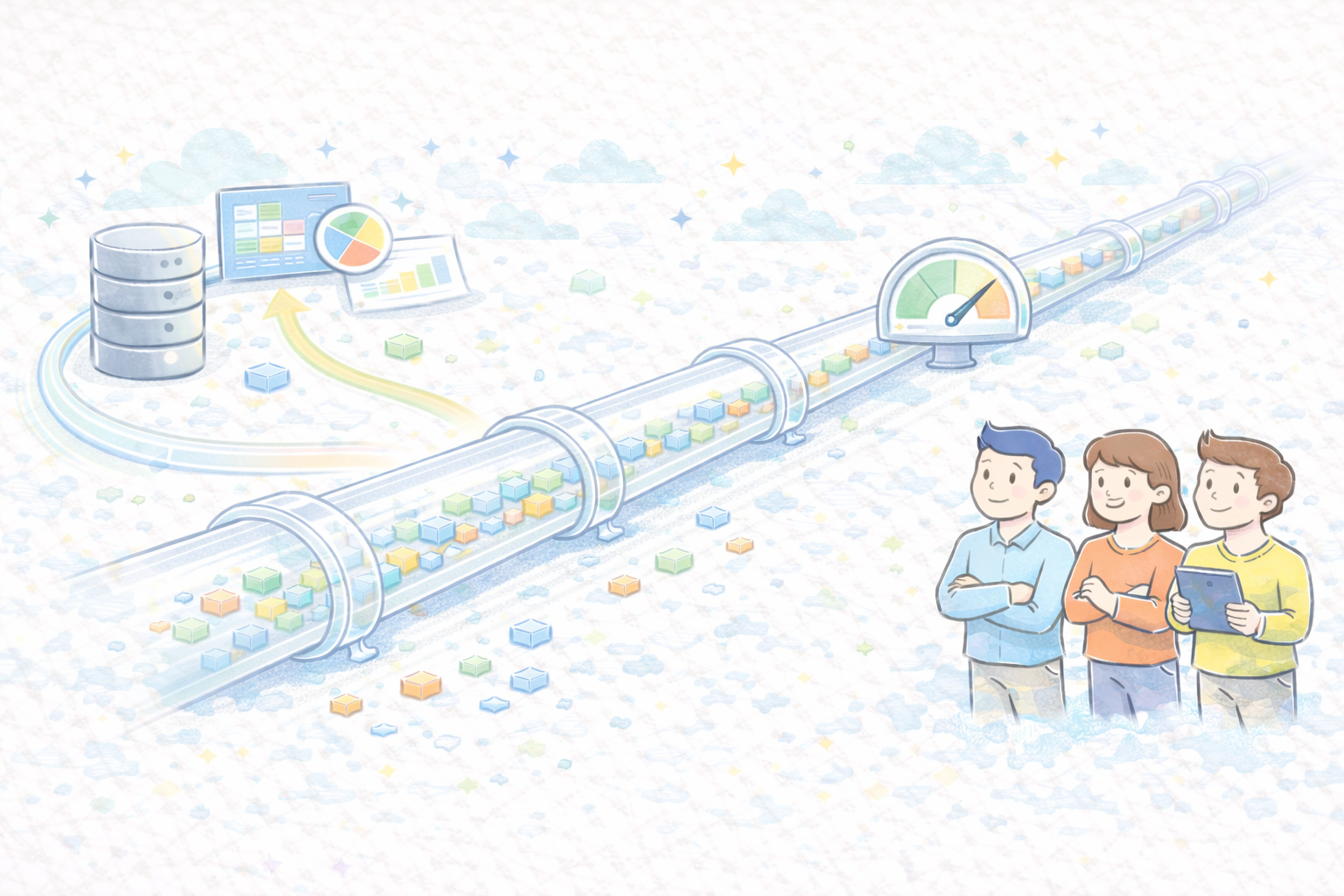
The inclusion of cost and performance metrics in team conversations fundamentally shifts this paradigm. As runtime, data volume, and credit usage become visible, engineers start making trade-offs proactively rather than reactively.
Why Fixing Data Quality Earlier Saves More Money
One of the most costly errors in pipeline engineering is waiting until the end of the processing chain to check data quality. Although data quality is often assessed for usability at the consumption level, the price of correction climbs exponentially as data moves further down the pipeline.
Such errors have a tendency to propagate. They get multiplied in the process of transformation and reporting. It becomes costly to correct such errors at a later stage.
Moving quality checks closer in time to consumption mitigates this problem. Although upstream validation involves coordination with the owners of the source systems and may seem more challenging at first, it helps avoid data degradation and the high costs of corrective actions downstream.
The Hidden Cost of Recomputing Unchanged Data
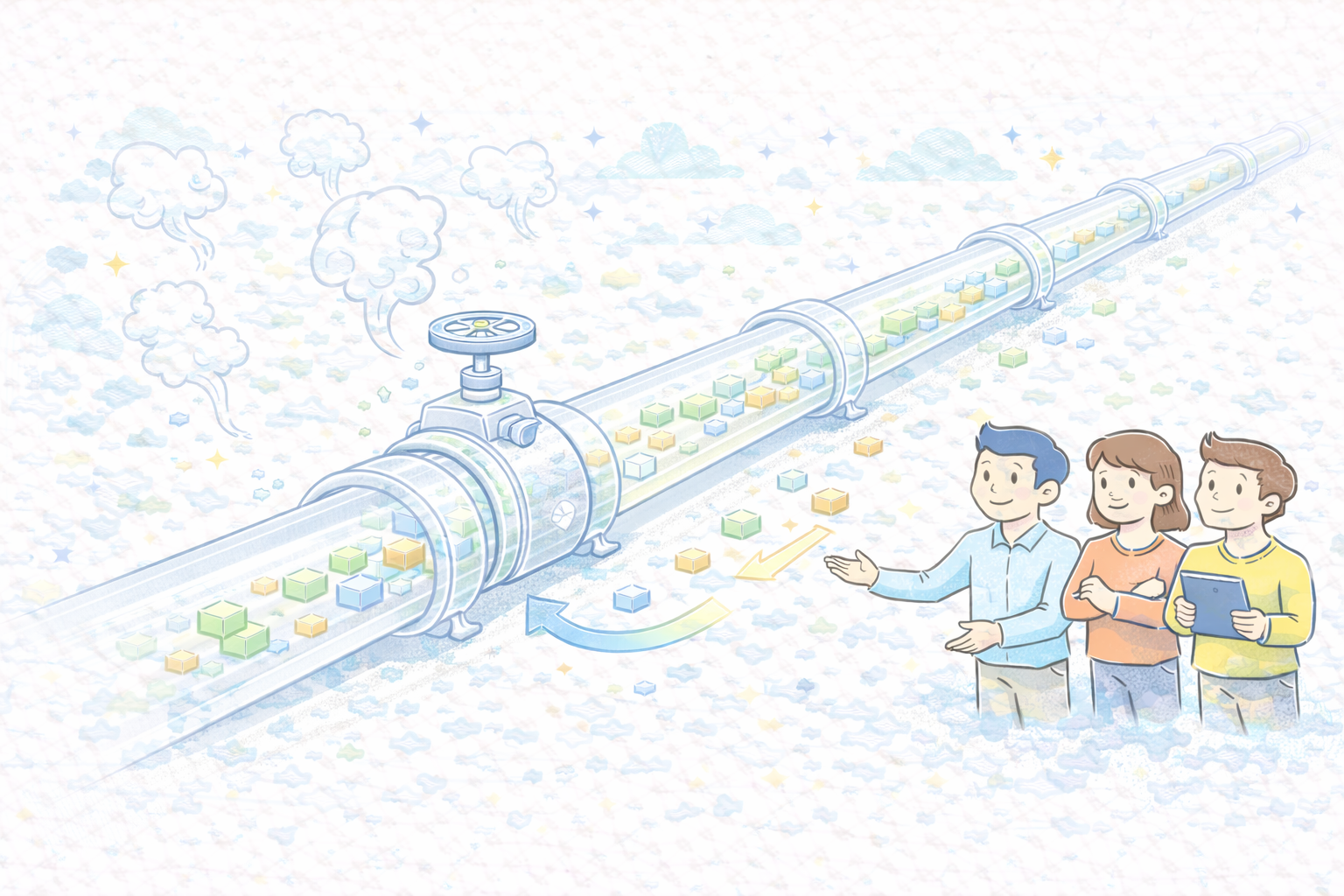
One of the most prevalent and preventable sources of waste in data pipelines is redundant computation. Legacy code is often left running simply because no one remembers why it’s there. The entire historical dataset is recomputed over and over again, even if the underlying data hasn’t changed.
Incremental processing is a direct solution to this problem. By designing pipelines that handle only new or changed data, teams can avoid unnecessary computation and reduce execution time. Even simple logic changes, such as moving from full aggregation to incremental updates, can result in a dramatic reduction in platform costs.
In fact, organizations that audit their pipeline logic on a regular basis often find that a small number of inefficient models are driving a disproportionate amount of spend. These models can be optimized with immediate returns without having to modify infrastructure.
Why Engineering Time Remains the Most Expensive Resource
Cloud credits are transparent, but engineering time is often underestimated. When engineers are blocked by debugging mysterious pipelines, responding to repeated data queries, or sustaining unwritten logic, the real cost is the loss of momentum.
Protecting engineering time means keeping the engineering effort small by reducing unnecessary manual work. By automating documentation, making pipeline status visible to data consumers, and providing a secure self-service analytics capability, the engineering team can recover time to focus on more valuable architectural enhancements.
AI-enabled tooling can also help reduce repetitive work by dealing with tasks like syntax conversion, code generation, and basic validation. Automation, when done with a thoughtful approach, can be a force multiplier and not a replacement for engineers, allowing them to work on design rather than maintenance.
Small Technical Changes That Produce Immediate Benefits
While changes in culture are valuable, the following adjustments have been proven to increase efficiency:
- Rebuilds should be avoided if only a small part of the pipeline has been modified
- Rerun pipelines from the point of failure instead of restarting entire jobs
- Utilize sampled datasets in development and CI environments
- Automatically cancel stale or redundant pipeline runs
These optimizations minimize wasted compute and improve development cycles without increasing complexity.
Conclusion: Efficiency Is a Design Choice
Efficiency in data pipelining is not a result of optimization or a tool. It is a result of transparency, discipline, and attention to data flow and evolution.
Pipelines that are opaque, redundant, and hard to understand will always be expensive. Pipelines that are transparent, validate data early, and process only what has changed will naturally become leaner and more reliable. As the amount of data continues to increase, it will be the teams that understand their pipelines well enough to allocate their budgets effectively that will be the most successful, and not necessarily the ones with the biggest budgets.
After reading this, can you clearly identify which parts of your data pipelines are reprocessing unchanged data, and where visibility is missing?